
About Land Condemnation
Land condemnation is the legal process by which the government takes private property for public use. This process is part of the broader concept known as eminent domain. If you're facing land condemnation, understanding your rights and securing just compensation is crucial. Learn how to protect your property.
What Is Land Condemnation?
When the government or certain authorized entities need private property for public use, such as building roads, schools, or utility infrastructure, they may acquire it through a legal process called land condemnation. While property owners have rights under the U.S. and North Carolina Constitutions, navigating this process can be complex and intimidating.
At Henson Fuerst, our land condemnation lawyers are here to help you understand your rights, evaluate your options, and ensure you’re treated fairly throughout the condemnation process.
About the Land Condemnation Process
The land condemnation process involves not only the taking of land, but also the determination of compensation owed to the landowner.
Landowners are entitled to “just compensation”—a fair market value payment for the property taken. Unfortunately, many governments undervalue the land, often significantly.
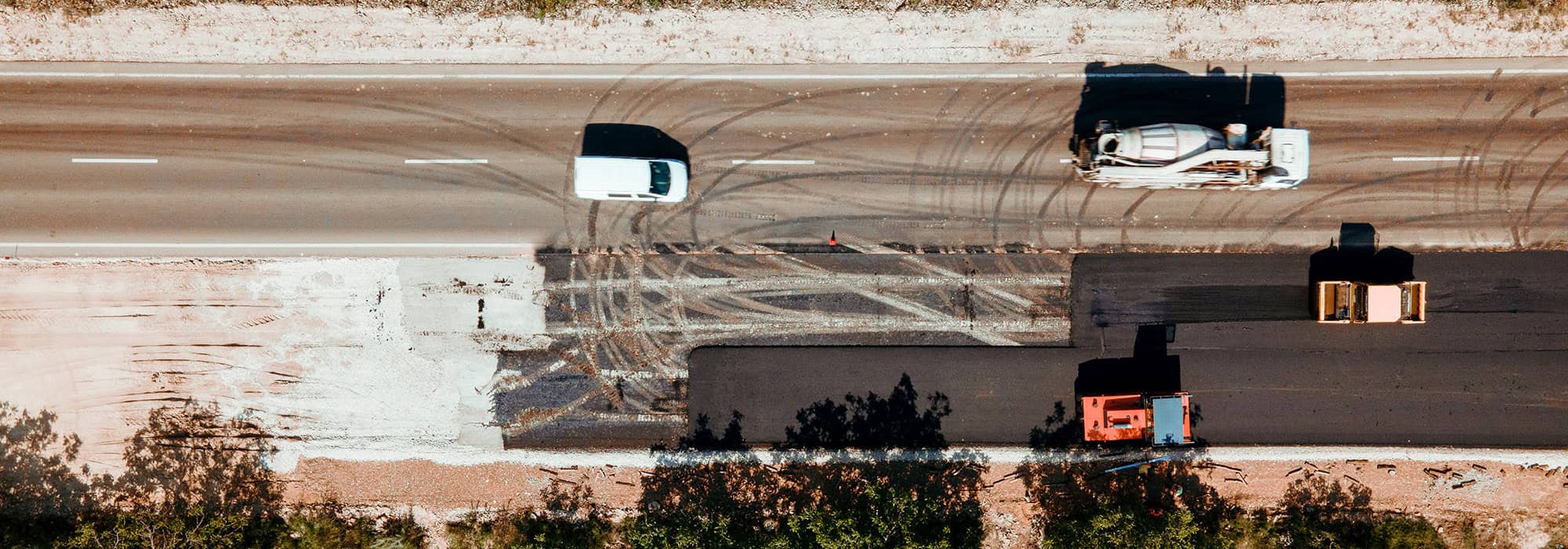
Condemnation vs. Eminent Domain: What’s the Difference?
Although “condemnation” and “eminent domain” are often used interchangeably, they represent two distinct aspects of the same legal concept.
What is Eminent Domain?
Eminent domain refers to the legal power granted to the government, or entities authorized by the government, to take private property for public use. This authority is rooted in the U.S. Constitution (Fifth Amendment) and state laws, including North Carolina’s Constitution.
Examples of public uses include:
- Building highways or roads
- Expanding public utilities
- Constructing schools, parks, or government facilities
- Developing infrastructure projects such as rail lines or greenways
What is Condemnation?
Condemnation is the legal process through which the government exercises its power of eminent domain. It includes everything from notifying the property owner and appraising the land to formally taking possession and providing compensation.
So, while eminent domain is the right to take property, condemnation is how that right is exercised. Eminent domain is the authority, and condemnation is the procedure.
Understanding this distinction can help you better navigate your rights and the process if your property is affected.
What Is Inverse Condemnation?
Inverse condemnation occurs when the government takes, damages, or interferes with private property in a way that significantly reduces its value or usefulness, without officially following the condemnation process or providing compensation. In other words, the government has effectively taken something from you, even if they didn’t file formal papers or issue a notice.
Examples of situations that may lead to an inverse condemnation claim include:
- Flooding caused by poorly maintained or mismanaged public drainage or water infrastructure
- Excessive noise or vibrations from new highways, railroads, or airports
- Damage to private structures resulting from nearby public construction projects
- Zoning laws or land use regulations that render property unusable or severely limit its value
If your property has suffered due to a government action and you weren’t fairly compensated, you may have a claim for inverse condemnation. These cases can be complicated, but at Henson Fuerst, we’re experienced in holding the government accountable—even when it tries to avoid responsibility.
What Should I Do If I Receive a Notice of Condemnation?
Receiving a notice of condemnation can be intimidating and confusing. Feeling uncertain about what to do next is normal, but your actions in these early stages are critical.
Here are the most critical steps to take:
Don’t Panic — but Don’t Ignore It
A condemnation notice is a legal document. Ignoring it will not make it go away and may limit your ability to challenge the government or negotiate better compensation.
Do NOT Sign Any Documents Without Legal Advice
Especially avoid signing Right-of-Entry Agreements or other access permissions without speaking to a condemnation attorney. These documents often permit government agents to enter your property, conduct tests, or begin work—sometimes before you’ve been paid a single dollar.
Contact a Land Condemnation Attorney Immediately
The sooner you involve an experienced attorney, the better your chances of protecting your rights and maximizing your compensation. Teams of appraisers and lawyers back government agencies—you deserve the same level of support on your side.
Gather Documentation
Start compiling everything you have related to your property:
- Recent appraisals or tax records
- Deeds, plats, or surveys
- Photos of buildings, land features, or business operations
- Utility bills or business revenue records (if income-generating property)
This documentation will be critical in determining the true value of what’s being taken and what you’re owed.
Avoid Speaking With Government Agents or Appraisers
Whether it’s a Right-of-Way (ROW) agent or a government-hired appraiser, their job is to support the agency’s case—not yours. Anything you say may be used to justify a lower offer. Let your attorney handle all communication on your behalf.
Remember, once you receive a condemnation notice, the clock starts ticking. Acting quickly and strategically is your best defense. At Henson Fuerst, we’ve helped hundreds of North Carolina landowners take control of the process and secure the compensation they're entitled to under the law.
Top 5 Things You Should Never Do Without Consulting a Condemnation Lawyer
Facing land condemnation is a legal and financial minefield. Taking the wrong step early on can drastically reduce your compensation—or even forfeit your rights altogether. If a government agency or Right-of-Way representative has contacted you, remember these critical rules:
- Do Not Sign a Right-of-Entry Agreement with the NCDOT
- Do Not Challenge a Tax Appraisal
- Do Not Speak to a Right-of-Way (ROW) Agent
- Do Not Speak to NCDOT Appraisers About Your Property
- Do Not Put Your Property on the Market with Condemnation Pending
For more information, learn what not to do without first consulting an eminent domain attorney.

Protect Your Rights from Day One
At Henson Fuerst, our eminent domain attorneys have been helping North Carolina landowners for decades. We know the condemnation process inside and out and how to maximize your compensation. If you’ve received a condemnation notice or believe your land may be at risk, call us before taking any action.
Land Condemnation Frequently Asked Questions
Yes. An experienced condemnation attorney protects your rights, ensures you receive fair compensation, and can challenge the government’s valuation of your land. At Henson Fuerst, we’ve helped many North Carolina landowners get significantly higher settlements than initially offered—see our results page for real examples.

Contact the Eminent Domain Attorneys at Henson Fuerst Today
If you’ve received a notice of land condemnation or think your property is at risk, don’t wait. The earlier you act, the more options you may have.
Call our eminent domain office today or contact us online for a free consultation. Our experienced North Carolina condemnation lawyers are here to fight for your rights, your land, and the compensation you deserve.